

Future-Proofing Platforms in FDA-Grade Analytics
In this episode of the Driving the Business of Science podcast, host Keith Parent, CEO of Court Square Group, speaks with Kristin Seastrand of Siemens Digital Industries Software about how life sciences organizations are modernizing their SAS environments, embracing the agentic enterprise, and preparing for the next wave of digital transformation.
Kristin shares insights from over 25 years in life sciences, IoT, and platform modernization, explaining how Siemens’ SAS Language Compiler (SLC) and AI are helping pharma, biotech, and CROs migrate legacy analytics to more flexible, future-proof infrastructures. They discuss how SLC enables companies to reuse existing SAS code, reduce costs, and integrate seamlessly with R, Python, and modern statistical computing environments while maintaining regulatory compliance for FDA submissions. Whether you’re leading clinical operations, biometrics, or data platforms, this episode offers a practical look at how to evolve your analytics stack while keeping auditors, regulators, and your teams aligned.
Listen on your favorite podcast platforms
iHeart Radio | Apple Podcasts | Spotify | Amazon Music | Buzzsprout
Guest Profile – Kristin Seastrand, Sales Executive, Siemens
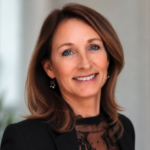
Kristin Seastrand, a technology sales and digital transformation leader, possesses extensive expertise in assisting organizations in modernizing their operations through innovative software and data-driven solutions. Currently, she is employed by Siemens Digital Industries Software, where she collaborates closely with enterprise customers to drive strategic transformation initiatives utilizing AI-enabled technologies. Kristin’s remarkable track record spans over 25 years in the manufacturing and life science industries, during which she has consistently helped customers achieve measurable business outcomes.
Introduction to Port Square Group and Driving the Business of Science Podcast
- Keith Parent introduces himself as the CEO of Court Square Group, a managed service firm specializing in IT infrastructure for life science companies.
- The podcast, Driving the Business of Science, aims to bring interesting people from the life science world to discuss their work.
- Keith mentions RegDocs365™, a content repository for clinical or regulatory content with an AI engine for document analysis.
- Keith transitions the conversation to Kristin Seastrand, who is working at Siemens, and invites her to share her background.
Kristin Seastrand’s Background and Role at Siemens
- Kristin has over 25 years of experience in IoT enablement, platform modernization, sales, product marketing, and project management in the life sciences segment.
- She is currently in the sales organization at Siemens, working in Digital Industries Software, focusing on digital transformation and AI.
- Kristin’s role involves helping life sciences companies with their next phases of digital transformation, particularly in AI to improve drug development and medical device equipment.
- Keith notes that Kristin has been at Siemens for six years and previously worked with IoT enablement and laboratory building enablement.
Transition from Altair to Siemens and New Products
- Keith and Kristin discuss the transition from working with Altair, a company Siemens acquired, to becoming a Siemens partner.
- Siemens has a significant presence in the United States and is on approved vendor lists with major pharma companies, enhancing the credibility of Altair’s products.
- Kristin explains that the audience for new products varies depending on the organization’s goals, with higher-level organizations looking for flexible infrastructure and AI capabilities.
- Keith highlights Court Square Group’s Audit Ready Compliant Cloud environment, which can host and manage the SLC compiler, helping small to medium-sized companies quickly check SAS code compatibility.
Comparing SLC and SAS, and Integration with Other Tools
- Keith and Kristin discuss the benefits of SLC, a compiler that uses the SAS programming language, allowing companies to switch to a more flexible infrastructure.
- SLC offers lower costs and agility, making it easier to incorporate AI and export to other platforms like Python or R.
- Keith mentions working with Domino Data Lab, which incorporates SLC in their statistical computing environment, highlighting the interaction between different data tools.
- The conversation touches on the importance of data manipulation for regulatory compliance, with SAS data sets being a common tool for submitting data to the FDA.
Upcoming Conference and Shift in Personnel
- Keith promotes an upcoming conference, PharmaSUG, in Boston, where Court Square Group and Siemens will be present, showcasing their collaboration.
- The shift in personnel using SAS and R is discussed, with younger professionals coming out of universities familiar with R, leading to a changing dynamic in data manipulation.
- Kristin explains that SLC can convert SAS code to R and Python, helping companies transition their talent effectively.
- Keith shares an example of a company submitting a drug application using R, demonstrating that R is a viable alternative to SAS for regulatory compliance.
Siemens’ Approach to Smaller Companies and Personal Background
- Kristin outlines Siemens’ approach to working with smaller companies, offering a prescriptive process to help them transition to SLC.
- The first meetings involve understanding the company’s current footprint and determining the level of effort and costs required for the transition.
- Keith inquires about Kristin’s background in life sciences, to which she responds that she has always worked with life science companies, finding it fulfilling to help with drug discovery and patient outcomes.
- Kristin shares her experience with IoT enablement in medical devices, highlighting the cost savings and improved patient outcomes achieved through connected devices.
Siemens’ Acquisitions and Future Plans
- Keith and Kristin discuss Siemens’ acquisitions, including Altair, and how these products are being integrated into the Siemens platform.
- The focus is on using AI to accelerate drug development and medical device creation while maintaining regulatory compliance.
- Kristin emphasizes the importance of AI governance to ensure continuous progress without project failures.
- The conversation concludes with Keith encouraging listeners to explore Siemens’ tools and attend the upcoming PharmaSUG conference for networking and learning opportunities.
We are usually asked about
What is SLC and how is it different from traditional SAS?
SLC (SAS Language Compiler) is a compiler that runs SAS language code on an alternative, more flexible infrastructure. It allows organizations to keep their existing SAS programs while gaining benefits like lower cost, greater agility, and easier integration with R, Python, and modern data platforms.
Can I still submit to the FDA if I move from SAS to SLC, R, or Python?
Yes—what matters to regulators is the quality, traceability, and reproducibility of your outputs, not the brand name of the tool. SLC supports SAS language workflows, and organizations are already submitting using R-based pipelines, provided they maintain regulatory-grade validation and documentation.
How does SLC help with the shift from SAS programmers to R/Python data scientists?
SLC enables companies to run existing SAS code while exporting or translating logic to R and Python. This lets senior SAS programmers and newer R/Python talent collaborate on the same workflows, easing onboarding and reducing disruption as teams evolve.
Where does AI fit into this modernization journey?
AI is embedded at multiple layers: through features like Copilot-style assistance in SLC, and within Siemens’ broader Agentic Enterprise vision. AI and agentic systems help automate routine analytics, support code translation, and accelerate decision-making—always with an emphasis on governance and risk control.
How do Siemens and Court Square Group work together in this space?
Siemens provides the software layer (SLC, Agentic Enterprise, digital industries tools), while Court Square Group offers regulated, compliant cloud infrastructure and services, including SAS code compatibility scans and managed environments to host and operate SLC in a validated way.