

Summary
In this episode of Driving the Business of Science, Keith Parent, CEO of Court Square Group, interviews Joseph Jerry, Ph.D., a researcher at UMass Amherst and Science Director of Pioneer Valley Life Sciences Institute (PVLSI). Dr. Jerry explains PVLSI’s role in translational research, particularly in breast cancer, and the creation of the breast research registry and HistoSpring. They discuss the importance of diverse patient populations, the use of human tissues for research, and the potential of organoids. The conversation highlights the collaboration between academia, healthcare, and industry in advancing scientific research.
Listen on your favorite podcast platforms
iHeart Radio | Apple Podcasts | Spotify | Amazon Music | Buzzsprout
Guest Profile
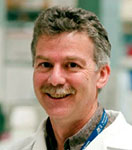
Dr. Joseph Jerry
Dr. Joseph Jerry leads research focusing on mechanisms regulating risk and resistance to breast cancer.
The approaches include the development of cell-based and genetically engineered models, natural genetic variation among strains of mice complemented by analyses of primary breast tissues and tumors from human subjects.
Dr. Jerry has also successfully directed the strategic vision to procure high-quality breast and ovarian tissues. This biorepository with well-annotated clinical information provides a resource to advance cancer research and speed development of precision medicines. With the participation of Rays of Hope Center for Breast Cancer Research, we have over 1,400 consented participants to the registry and a repository of primary cell cultures and of frozen tissues from more than 500 donors.
Dr. Jerry has authored over 70 manuscripts. He currently holds positions as Director of Biorepository, HistoSpring; Science Director, Pioneer Valley Life Sciences Institute; Professor, Veterinary & Animal Sciences, University of Massachusetts Amherst, and Co-Director, Rays of Hope Center for Breast Cancer Research.
Introduction to the Podcast and Court Square Group
- Keith Parent introduces himself as the CEO of Court Square Group and explains the purpose of the podcast, which is to discuss the work of various professionals in the life science industry.
- Court Square Group is a managed services firm that manages IT infrastructure for life science companies, focusing on preclinical through manufacturing, with a heavy emphasis on clinical and regulatory spaces.
- Keith mentions their product, RegDocs365™, a content repository for clinical and regulatory content, and introduces the special guest, Dr. Joseph Jerry.
- Jerry is a researcher at UMass Amherst and an Science Director of the Pioneer Valley Life Sciences Institute (PVLSI) which includes histological services offered through HistoSpring and Co-Director of the Rays of Hope Center for Breast Cancer Research
Dr. Jerry’s Background and Role at PVLSI
- Jerry thanks Keith for the opportunity to discuss his work and emphasizes the importance of business in bringing new therapies and tests to patients.
- Joe provides a chronological overview of his career, starting as a faculty member at UMass Amherst, focusing on breast cancer research.
- In 2010, Joe became the science director at PVLSI, a 501(c)(3) organization that allows unique opportunities for collaboration with other organizations.
- Joe discusses the creation of HistoSpring, a histological services core, and the breast research registry, which combines various resources to support translational research.
Understanding PVLSI and Its Impact
- Keith mentions his role on the board of PVLSI and the unique perspective it provides, allowing him to see the workings of different institutions.
- Joe explains the importance of understanding the disease intimately and the role of clinicians and patients in educating scientists and the critical needs they face.
- PVLSI was founded in 2002 to bring together research communities, clinicians, and the business world, fostering conversations and launching new technologies and scientific grants.
- Keith highlights the role of Senator Ted Kennedy in securing funding for PVLSI and the support from the Massachusetts Life Science Center.
Translational Research vs. Basic Research
- Joe defines translational research as the process of building resources needed to foster new treatments, often involving model systems like mouse models and human cell-based models.
- Joe shares his experience with mouse models of Li-Fraumeni syndrome, a genetic variant that increases susceptibility to breast cancer, and the challenges of using mice as models for human diseases.
- The importance of understanding genetic differences among individuals and the need for access to clinical specimens is emphasized.
- Keith and Joe discuss the need for more diverse populations in clinical trials to better understand disease effects across different genetically diverse groups.
The Breast Research Registry and Biorepository
- Joe explains the breast research registry, which captures a diverse population’s information, including educational background, work exposures, and family history.
- The registry includes biospecimens from clinical diagnostics and surgeries, providing a deep pool of information for research.
- Keith highlights the value of multi-generational data in understanding heritable diseases and the high participation rate of patients in the registry.
- Joe mentions the collaboration with other institutions, including University of North Carolina and National Institutes of Health as well as international collaborations in Europeans, to study normal breast tissues and understand the effects of life exposures on susceptibility to breast cancer.
HistoSpring and Its Role in Research
- Joe discusses the creation of HistoSpring, which provides access to human tissues for research, including normal breast tissue and tumors.
- The importance of building trust with patients and the role of the Rays of Hope Foundation in encouraging tissue donations are highlighted.
- Joe explains the use of secure systems like RedCap to protect patient information and the success of the registry in attracting diverse populations.
- The marketing efforts of HistoSpring and its role in making research resources more widely available to industrial partners are discussed.
Collaboration with UMass Amherst and Future Plans
- Joe describes the collaboration with the Institute for Applied Life Sciences at UMass Amherst, which provides additional research cores and facilities.
- The institute supports large-scale research, including mass spectrometry and proteomics, enhancing the translational pipeline.
- Joe outlines the future plans for PVLSI and HistoSpring, including increasing awareness of available resources and focusing on new approaches to using human specimens.
- The goal is to build in vitro models from diverse patients to better understand environmental contaminants and individual responses to exposure to environmental chemicals.
Conclusion and Final Thoughts
- Keith thanks Joe for the insightful conversation and highlights the importance of the work being done at PVLSI and HistoSpring.
- The collaboration between healthcare providers, flagship universities, and industrial partners is emphasized as a key to driving innovation in the life sciences.
- Joe mentions the ongoing efforts to market HistoSpring and the importance of understanding human tissues in research.
- The podcast concludes with Keith expressing his appreciation for the discussion and the new insights gained from the conversation.